Showing posts with label Fashion - General. Show all posts

Sunday, March 17, 2013

Rewearing Comes Of Age

by Ann Brenoff, Senior Writer, The Huffington Post: http://www.huffingtonpost.com/ann-brenoff/michelle-obama-style-wears-same-outfit_b_2537769.html?utm_source=Alert-blogger&utm_medium=email&utm_campaign=Email%2BNotifications

Michelle Obama, official White House portrait.
Michelle Obama (Wikipedia)
I admit I've never been much of a fashionista. I spent 1968 through 1971 in what I suspect was the same pair of bell bottom jeans and two black T-shirts that I wore in rotation.

In fall, I topped it with a black baggy sweater and in winter, piled on a navy peacoat.

Yes, of course I laundered everything. I might not have any fashion sense, but I've always believed in good grooming.

And now along comes First Lady Michelle Obama, who gives us many reasons to click the Like button in general, but is scoring high marks for one thing in particular of late: She is rewearing some of her clothes. This, the pundits say, gives us all permission to re-wear our clothes.

Now at the risk of being mistaken for the 200-year-old relic Volkswagen in Woody Allen's 1973 classic movie, "Sleeper," did I somehow miss the memo where it said we weren't supposed to wear outfits a second time?

Seriously, when did it become bad form to grab the outfit you wore last Thursday and put it on again this Tuesday - or is this just another one of those generational differences things?

I do believe that the only dumb question is the one you are afraid to ask, but nevertheless I was a little embarrassed to seek an expert on this matter. I decided to keep it in the family, figuring the scorn level would be minimized if I just went to a co-worker.

Here's what Anya Strzemien, the executive editor of HuffPost Style had to say: Yes, people seriously do not re-wear outfits.

"Particularly famous people who are photographed a lot, which is what makes Michelle doing it all the more of a statement," said Anya. "As for the non-famous, it kind of depends on financial circumstances. I think others just try to not wear exactly the same thing too close together."

Anya and me? We travel in different worlds, but probably not as different as you might think. Every generation has its uniform. Mine in the late 1960s were my bell buttons. You saw them - and my long hair parted straight down the middle - and knew my politics instantly.

You looked at my makeup-less face and knew what music I likely listened to. The black T-shirts told you what I read, what movies would appeal to me, and my guitar-strumming bearded boyfriend was as much a fashion accessory as a cup of Starbuck's is today.

Anya, too, has a uniform. Her accessories pop, she has a "go-to" outfit that doesn't involve an elastic waistband, and when she leaves her house every day, she has a put-together look that I wouldn't begin to know how to achieve.

I've always envied women who knew how to combine stylishness with comfort, but deep down I suspect we all sacrifice one for the other. Four-inch heels will never be comfortable, no matter how much you beam your pearly whites at me and claim you could run a marathon in them.

It also occurred to me - as I looked down on the skinny jeans I'm wearing for the third time this week - that for the first time in my life, I may be ahead of a fashion curve. Michelle Obama has made it OK to re-wear your clothes - something I have been doing my whole life.

And now if FLOTUS could just do one more thing for me: Make it OK for us to wear flats for every occasion. After that, we can tackle world hunger, peace in the Middle East and cure cancer once and for all.
Follow Ann Brenoff on Twitter: www.twitter.com/AnnBrenoff
Enhanced by Zemanta

Saturday, July 14, 2012

The Ten Most Romantic Actresses

Brigitte Bardot à un cocktail en 1968
Brigitte Bardot à un cocktail en 1968 (Photo credit: Wikipedia)
By Sara Billups

10 Ingrid Bergman

The Swedish-born "Casablanca" actress helped set the tone for 1940s style. She is known for wearing smart suits, pencil skirts, and luxurious gowns. Bergman added her own personality to her looks, donning everything from polka dots to tailored pants.

9 Grace Kelly

In the 1950s, all eyes were on Grace Kelly. Wearing pearls, stylish coats, and stunning dresses, the "Dial M for Murder" and "Rear Window" star defined 1950s elegance and poise. The world became swept up in her fairy tale marriage to the Prince of Monaco. In 2010, the Victoria and Albert Museum presented an exhibit featuring clothes and accessories spanning Kelly's early life in Philadelphia to her princesshood.

8 Elizabeth Taylor

The "Cat on a Hot Tin Roof" and "Who's Afraid of Virginia Wolf?" actress with sparkling violet eyes defined glamour, appearing in diamonds, tiaras, and sheaths in the 1950s. Always a trendsetter, she was photographed in turbans and capes in the 1960s.

7 Vivien Leigh

Best known for her role as Blanche DuBois in "A Streetcar Named Desire," Vivian Leigh embraced accessories. From the 1930s on, her romantic looks were highlighted by pearls, gloves, brooches, and elegant hats.

6 Natalie Wood

The "Miracle on 34th Street," "Splendor in the Grass," and "Rebel Without a Cause" actress dressed impeccably throughout the 1950s. She easily transitioned to 1960s style, often seen in colorful prints.

5 Rita Hayworth

A leading lady remembered for "Gilda" and "The Strawberry Blonde," Rita Hayworth is a picture of 1940s glamour. With a curvy figure and unforgettable red hair, Hayworth's pin-up girl style included sumptuous gowns in gold, black, and fiery red.

4 Marilyn Monroe

Permanently defining the halter dress as sexy, the iconic Marilyn Monroe gave women permission to embrace curves. The "Some Like It Hot" and "Seven Year Itch" beauty confidently wore pencil skirts and cashmere sweaters while sporting bright red lipstick and a beauty mark.

3 Brigitte Bardot

A French model, singer, and actress, Brigitte Bardot was a flirty, romantic style leader in the 1960s. While she turned from the public eye to activism in the 1970s, Bardot gave us permission to sport gingham bikinis and chic swooped necklines.

2 Twiggy

With her exaggerated lashes and wispy frame, the wildly popular British model, singer, and actress Twiggy became the face of the Swinging Sixties. The "W" and "Blues Brothers" starlet became famous for her short boy cut and colorful, androgynous style.

1 Audrey Hepburn

Graceful, elegant, and utterly chic, Audrey Hepburn is the ultimate romantic movie icon, giving us the little black dress as seen in "Breakfast at Tiffany's" and "Sabrina." Hepburn complimented her fitted, tailored suits and dresses with dark sunglasses and long gloves.

Who would you vote as the most romantic actress? Send us your vote and we will publish the results in a later post.

Uniting on-trend styles with a boho chic sensibility, Chiffons et Breloques offers Boho inspired hand-picked jewellery, clothing, and accessories with a French twist.

Article Source: http://EzineArticles.com/?expert=Sara_Billups
http://EzineArticles.com/?The-Ten-Most-Romantic-Actresses&id=7147432

Enhanced by Zemanta

Saturday, June 9, 2012

The Origins of a Fashion Classic: Jeans

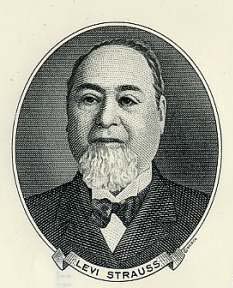
Levi Strauss, blue jeans
Levi Strauss, blue jeans (Photo credit: Wikipedia)
By Harvey McEwan

History of Jeans

Jeans originated in the USA in the late 19th century. Originally, they were worn as work trousers by miners, factory workers and soldiers. They were particularly common as work clothing during World War II. At this time men's zippers were placed at the front of the garment, while women's ran along the right side.

Later on, in the 1930s they became popular among the cowboy population. Jeans were a popular souvenir for anyone visiting the West's dude ranches. Hippies continued the denim trend in the 1960s. Jeans were very hard to find in non-Western countries so they were a common postal item.
During the 1970s the garment became more widespread as they begun to be produced in southern sweatshops. With cheaper production came cheaper prices.

By the 1980s jeans had become a fashion staple. Designers started to experiment with different styles and fabric variations. Sales continued to rise and rise. The garment is to this day a popular casual clothing choice, and is worn by kids, women and men alike.

Origins of the Name

Even the story of how jeans got their name is an interesting one. At one point they were known as waist overalls! Jean was a material made in Europe. It was named after sailors in Genoa, Italy who reportedly wore clothes made out of the fabric.

Now we more commonly refer to the material itself as denim. The history of this term can be traced back to France. Serge was a kind of material originating in the town of Nimes. "Serge de Nimes" is the French way of saying serge from Nimes. De Nimes would explain the coining of the term denim we use until this day.

Rivets

Back in the day jeans had a nasty way of disintegrating in the pocket area. In the late 19th century a tailor called Jacob Davis came up with the genius idea of using metal rivets to keep the pockets intact, and safeguard them from ripping.

Keen on applying for a patent, but lacking the funds for it, he turned to Levi Strauss with a proposition. Strauss accepted and so production of the new riveted trousers began.

Celebrities and Jeans

Jeans became a fashionable item and a symbol of youth rebellion in the 1950s after James Dean was seen wearing them in the movie Rebel Without a Cause. This association led the garment to be banned in certain public buildings like schools, theatres and restaurants. At this time the fashion item was sometimes referred to as "jean pants".

In the 1970s mens skinny jeans became popular among the punk community. Bands like The Sex Pistols became ambassadors of the trend.

The 1980s saw the introduction of acid washed jeans. Many people's idol of the time, Madonna was a keen advocate of the trend, and was snapped wearing jeans many times.

The rise of hip hop in the 1990s came hand in hand with the growing popularity of wide leg or baggy jeans. Artists like Tupac were rarely seen sporting anything other than their beloved denim trousers.

In this day and age jeans are worn by many celebrities from the Duchess of Cambridge to Kylie Minogue. They are an undying trend.

Harvey McEwan writes to offer information and advice on a variety of areas, from the history of mens skinny jeans to technology to holiday destinations. View Harvey's other articles to find out more.

Article Source: http://EzineArticles.com/?expert=Harvey_McEwan
http://EzineArticles.com/?The-Origins-of-a-Fashion-Classic:-Jeans&id=7083828

Enhanced by Zemanta

Saturday, March 24, 2012

Denim Through the Ages

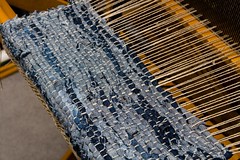
Denim WeavingDenim Weaving (Photo credit: LollyKnit)By Jade Jennison

There is a lot of controversy about the initial creation of denim but what we do know is that Levi Strauss was undoubtedly one of the first, if not the first, people to create clothing out of this material.

It is impossible to think of jeans without the brand name Levi's coming to mind and since the initial pair there is no doubt that this specific material has come a long way.

In the past 130 years denim has erupted across the world and became a must-have accessory for everyone - whether they are a child or a pensioner. The initial distribution of this particular style of clothing was to typical working class men who needed a pair of trousers which would last them throughout their working period. Levi's soon received a patent for 'Improvement in Fastening Pocket-Openings' which was theoretically the birth certificate of the jean.

After the brand became more and more popular they started gaining valuable customers, but eventually their patent expired giving others a chance to interpret Levi's initial design for profit. America's work-force grew and the demand for denim increased aggressively ergo allowing the brands to co-exist whilst still making a healthy amount from the working men and women.

It was only a matter of time until jeans were introduced to the public as an innovative and unprecedented fashion accessory. This uprise began with the western world as cowboys began living quieter lives and the media sugar-coated them and projected them all over their screens starting a new trend thus giving the denim world a chance to expand their business to cowboys.

Amongst this pandemonium, Bill Crosby's signature was in fact denim which allowed all of the manufacturers to get a lot more press and popularity.

After the cowboys were on-board motorcyclists began to interpret the jeans style to their own satisfaction and fashion needs giving it a rebellious name. Pairing leather with this material seemed to be a huge hit across the youngsters and started to appear in other parts of the world.

Hippies were next for this particular craze as they were seen sporting creative designs at 'The Summer of Love'. This was the hippie revolution as over 100,000 gathered on the Haight-Ashbury neighbourhood in San Francisco without a lack of psychoactive drugs and music; this turned into an epidemic of sexual freedom and creativity. The attire that they sported included beads, new fits and cuts and embroidery which sparked a revolution within the denim industry.

This market saw a decline when hip hop clothing was introduced as people began to experiment with everything but this previously popular jean material. But, of course the manufacturers saw a gap within this and began to mass produce hip-hop styled jeans.

Denim is highly unlikely to ever go out of fashion and has come a long way since the beginning. Designer brands have created many luxuries styles of jean and other types of attire including such a fantastic type of clothing which has continuously been on the market since it became popular and no doubt will be in years to come.

Jade Jennison is an enthusiastic writer in the subject matter of fashion and aims to provide information to people who share the same interests as her own. The websites recommended by Jade have been thoroughly researched and come highly acclaimed from direct experience. Take a look at a new denim brand 7 For All Mankind at Life Clothing.

Article Source: http://EzineArticles.com/?expert=Jade_Jennison
http://EzineArticles.com/?Denim-Through-the-Ages&id=6853517
Enhanced by Zemanta

Saturday, March 17, 2012

T-Shirts Online for a Cause - The Ethical Side of T-Shirts

t shirt design / connect themet shirt design / connect theme (Photo credit: :: Radar Communication ::)

By Cameron Cole

T-shirts are not only an attractive, versatile item of clothing; they can also be a tool for benefiting others.

Selling t-shirts online has long been connected with charitable organisations as a means of direct promotion but with a number of new initiatives being implemented through well-known websites, the philanthropic reach of t-shirts online has significantly widened.

Not only can you look great, you can also help to give back to society at the same time! There are a number of ways that buying t-shirts can be a vehicle for positive change and help to promote a more ethical society.

Promotion of charitable organisations

The simplest way t-shirts can help charities is by providing cheap advertising. Wearing a t-shirt with the name of your favourite charity on it can help to get the charity's message out there and increase awareness across a wider section of the population. Many charities are aware of this and even provide t-shirts online and in person, for free or for a very small donation, as a way of increasing public awareness of their cause.

Political activism

Activist slogans and designs are intended to help increase awareness of a particular issue and can be a great way to make a non-confrontational stand against a specific problem within society or on a wider global basis.

Activist t-shirts can be humorous or more serious in nature and have been used for everything from promoting free love in the 1960s, to poking fun at the social media saturated world of today. With a wide selection of political and activist t-shirts online, it's never been easier to make your voice heard.

Using sustainable practices

Many t-shirts labels may be aware of the ethical debates surrounding the clothing industry and may use local materials and fairly paid workers to produce their t-shirts. Sellers of t-shirts online tend to have lower overheads than retailers, which means they are often more able to support initiatives for sustainable practices.

By supporting local industry and buying products that are sweat shop free like American Apparel, you can help to encourage more businesses selling t-shirts online to adopt ethical and environmentally sustainable practices.

Celebrity designers

Competitions to design charity t-shirts are becoming increasingly popular as a way for designers to make a contribution in a fun and unusual way. With a wide number of design contests for t-shirts online and projects aimed at increasing awareness of social and environmental issues, celebrity designed t-shirts can help to promote local and international charities, as well as raising funds for charitable projects.

With so many different ways to make a positive contribution to society t-shirts will continue to play a positive role in our worldwide community.

T-shirt aficionado Cameron Cole lives in Australia and is obsessed with t-shirts and t-shirts online.

Article Source: http://EzineArticles.com/?expert=Cameron_Cole
http://EzineArticles.com/?T-Shirts-Online-for-a-Cause---The-Ethical-Side-of-T-Shirts&id=6933407
Enhanced by Zemanta

Saturday, December 24, 2011

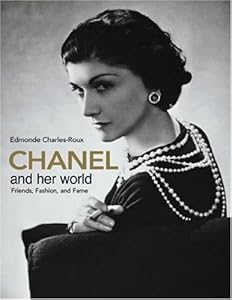
BOOK REVIEW: "Chanel and Her World"

Cover of "Chanel and Her World"Cover of Chanel and Her WorldBy Jacqueline Mary

Gabrielle (Coco) Chanel did not just live like a fashion tycoon who invented pants. She had an artist's enthusiasm for fashion.

She lived among the most prominent figures of her time and added credit to their circles. She was a determined social ladder climber who climbed into high society from poverty. She democratized fashion. She liberated women so that they could see themselves as being worthy of wearing pants like men.

"Chanel and Her World" is the preferred Chanel biographical book for fashionistas who want lightweight reading. Of course, this book for fashionistas is filled with pictures of fashion and other scenes that offer a window to the glamour lifestyle.

This is also a book for fashionistas because it features a perspective and writing style that seems to come directly from high fashion magazines.

People outside high society can appreciate this book because it caters to a normal vocabulary and a short attention span. It is substantive, insightful, and articulate enough to elevate the reading level and mind of a typical college student.

The writer manages to combine lightweight reading with a complete narrative by writing about many topics that tie into the larger theme of Chanel's world. "Chanel and Her World" is a good addition to college libraries. It is relevant, intelligent, and straightforward enough to be chosen as assigned reading at a typical college.

"Chanel and Her World" also chronicles a rags to riches life story that can appeal to people outside high society. Coco Chanel can seem like a more relatable person to readers because of her impoverished countryside background. High society originally rejected her and discriminated against her. That rejection humanizes the stiff and private fashion mogul.

"Chanel and Her World" does not deserve the status of a modern classic, or even a top selling book. It is a lightweight book filled with too many pictures to allow more room for text. The writer does not shed enough light on Coco Chanel's character, psyche, or even manage to cover everything basic about her life.

The author is insightful enough to offer a clear perspective. However, that perspective is oversimplified and puts a mere fashion designing businesswoman on a historic pedestal.

The best insights in the book are on fashion, which is a relatively trivial topic. The author's most insightful writing in the book described Chanel customers as being like recovering fashion victims who were liberated by Coco Chanel's designs.

Article Source: http://EzineArticles.com/?expert=Jacqueline_Mary
http://EzineArticles.com/?Book-Review:-Chanel-and-Her-World&id=6775012
Enhanced by Zemanta

Saturday, November 26, 2011

Vintage Dresses Stand the Test of Time

Double Breasted Mod DressImage by jessjamesjake via FlickrBy James D John

Vintage dresses are enduringly popular for a very good reason. The classic cuts and elegant silhouettes of vintage dresses have stood the test of time, flattering our figures decade after decade. Beyond their figure enhancing effect, vintage dresses are desirable for their unique position in fashion and social history.

When considering the history of fashion, vintage dresses have an unparalleled importance; instantly recognisable, they define an era, capture a moment. No other single garment has this power of evoking bygone days as succinctly as vintage dresses. Vintage dresses are the icons of each decade, with one style of dress summing up the fashions of the time.

Technically, a dress over 20 years old is classified as 'vintage;' any older than 100 years and it becomes 'antique.' The 20th century saw an ever-changing succession of fashions, providing us with a plethora of alluring vintage dresses from which to choose.

This century of unprecedented sartorial revolution saw the formation of the contemporary fashion industry as it exists today, and changed the way we make, buy and wear clothes forever. Vintage fashions, from the 1920's to the 1990's, reflect overarching social, political and economic factors; each generation reacting against the style that went before it.

Vintage dresses are the garments which so readily epitomise each decade of fashion, encompassing a range of distinctive features unique to that particular time's fashions, including: cut; silhouette; colour scheme; fabric; patterns; and embellishment.

1920's - Hemlines rose higher to the knee and waistlines dropped lower. A boyish figure was favoured, removing emphasis from the bust, waist and hips for a blocky shape. Loose fitting, but not voluminous, dresses had typically straight lines and low waists, allowing for energetic dancing. The flapper dress epitomises this time, featuring geometric Art Deco beading and/or frivolous fringing.

1930's - In a complete reversal of tastes, long, flowing feminine dresses with a natural waistline were favoured. As the Depression set in, the sumptuous world of Hollywood movies captured the American imagination, popularising slinky screen-siren gowns which clung to every curve. Madame Vionett perfected the smooth, sensuous silhouette with bias-cut gowns, which were often backless. Fluttery, tiered skirts were also popular on dresses, retaining that flirty, feminine style.

1940's - World War II meant a utilitarian approach to dressing and removed all frivolous wastes of material. Sleek lines remained without wasting material via calf-to-knee length hemlines and slim skirts. Rationed fabrics meant feminine dresses often had to be cut from menswear, lending a militaristic, functional air. Slim, belted waists and narrow hips were further emphasized by exaggerated shoulders.

1950's - The restraint of the war years led to a period of exuberant femininity in the Fifties. Full skirted, knee-length dresses were worn with petticoats for extra oomph. Dior's 'New Look' defined the nipped in waist and long full skirts of the decades dresses. Shirt dresses and halter-neck dresses gained popularity. Hemlines remained at the knee or just below for both day and evening dresses. Brocade and floral patterns were typical on Fifties dresses, as the freedom to experiment with fabric and colour returned.

1960's - The Sixties began with simple, geometric shift dresses, before being revolutionized in 1964 by Mary Quant and the mini skirted dress: Psychedelic patterns and colours engulfed sleeveless shift dresses; flared micro-mini baby-doll dresses took the hemlines even higher in sugary sweet colours and fabrics; and velvet dresses with long, lace trimmed bell-sleeves epitomised the dandified look of the time.

1970s - Whilst the Sixties went mini, the dresses of the seventies went maxi. Long, flowing gypsy style dresses had tiered skirts and nonchalant off the shoulder necklines. Lace, fringing and embroidery details cemented the hippy look, having various ethnic influences. Edwardian style long, lacy and high-necked dresses were made popular by Laura Ashley. The disco dresses of the Seventies were characterized by long hemlines too, fitting close to the body in sinuous, glossy fabrics such as lame and satin.

1980's - 'Power dressing' in the Eighties paved the way for a Forties tinged silhouette, with highly emphasized wide shoulders and nipped in waists, with a typically sleek, short pencil skirt. Flashy gilt and golden finishes upped the glamour stakes, as seen at Versace. The decade's defining dress however was brought to you by Azzedine Alaia - the 'King of Cling'- whose body-conscious dresses were scandalously form-fitting.

Now in the 21st century, the demand for vintage fashion, and specifically vintage dresses, is greater than ever. Let's take a trip through the 20th century and look at some features which characterise vintage dresses from each decade.

To know more please log on to http://www.silkandsawdust.com/category/Dresses

Article Source: http://EzineArticles.com/?expert=James_D_John
http://EzineArticles.com/?Vintage-Dresses-Stand-the-Test-of-Time&id=6706887
Enhanced by Zemanta

Saturday, November 19, 2011

Sunglasses in Pop Culture

Janis JoplinCover of Janis JoplinBy Ellen Tarnapolsky

Sunglasses have been seen in pop culture periodically throughout the 20th century. They definitely help to accessorize whichever look you're going for, whether it be glamorous, cool or dazed out hippie.

If you love sunglasses like I do, it may interest you to learn about the different styles of sunglasses that have been popular in the 20th century. Below are some of the more popular frames and styles.

Aviator 

Most commonly manufactured by Ray Ban, Aviator sunglasses have gone up and down in popularity since they made their appearance. They were first designed in 1936 and were meant for U.S. military aviators. They became a huge trend with young people in the 1960s, which gave birth to other styles of aviators, such as mirrored, colored and wrap around styles. The popularity of aviators dropped in the 1990s, but then regained popularity around 2001 with many Hollywood celebrities.

Oversized

Like aviators, oversized sunglasses have dropped and risen in popularity since their debut. Jackie O first started the oversized sunglasses trend with her gigantic black frames in the 1960s. This quickly became a popular item amongst women.

They dropped in popularity in the 70s, when they started to be used for comedic and theater purposes. Elton John often wore oversized sunglasses as part of his shows. They again became fashionable in the 1980s amongst celebrities and street kids. They dropped popularity in the 90s with the grunge era, but we see oversized sunglasses making their way back to popular culture, with celebrities commonly seen with their coffee and oversized frames.

Tea Shades 

These are often also called "John Lennon glasses," or "Ozzy Osbourne glasses." Sometimes they are even called "granny glasses." These were most popular in the 1960s by the hippie counterculture. They come in all kinds of colors, including black, purple and red, and they are known for their psychedelic features.

When tea shades were extremely popular in the 1960s, celebrities and rock stars were often seen wearing flamboyant and elaborated tea shade sunglasses. They were often excessively large, mirrored, and were made from different colors.

The more unique the lens, the more popular they were. Rock stars like Jimi Hendrix, Mick Jagger and Janice Joplin were often seen wearing unique tea shade sunglasses. Tea shades are difficult to find today as a fashion item, but can be found in costume stores or online.

Sunglasses are an item that everyone must have, not only because they protect our eyes from the sun, but because they can add to your look and complete your wardrobe. If you love sunglasses but can't afford to constantly buy expensive pairs, buying wholesale sunglasses may be a good option for you. You can save money while still getting great looking sunglasses.

wholesale sunglasses are a great bargain if you want good quality shades. Get wholesale fashion sunglasses at wholesalefashionsquare.com.

Article Source: http://EzineArticles.com/?expert=Ellen_Tarnapolsky
http://EzineArticles.com/?Sunglasses-in-Pop-Culture&id=6677180
Enhanced by Zemanta

Sunday, September 18, 2011

Vintage 101 - A Beginners Guide to Buying Vintage

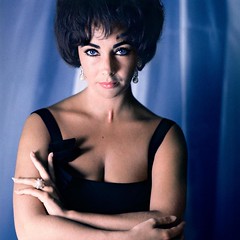
Elizabeth TaylorElizabeth Taylor - Image by Filipão 28 via FlickrBy Helen MacGillivray

VINTAGE - CLOTHING FROM A PREVIOUS ERA

Let's uncover an appreciation for this avant-garde fashion trend. It may be the elegance attached to these garments or possibly the uniqueness of each piece but if you haven't discovered vintage attire, you're missing out. Before you head out to begin exploring, there are a few things that you should know.

WHAT YOU NEED TO KNOW:

1. Sizing - take note.

Vintage attire fits differently and their sizes take a little getting used to. Marilyn Monroe was said to have worn a size 12 (US) (16 UK) dress but, by today's sizes, that would put her at around a size 6/8. At the same time, women wore real foundation garments back then - garments that were both body mounding and size reducing.
- Don`t fret when you read the sizes. Go by the measurements instead. Most good vintage stores will indicate the measurements of their garments.
- If buying vintage online, it is absolutely imperative that you go by measurements!

2. TO TAILOR OR NOT TO TAILOR - THAT IS THE QUESTION.

Experts go back and forth on whether or not you will be damaging the piece or reducing its resale value by tailoring it; however, if it doesn`t fit properly, you will never wear it. I hereby give you permission to tailor away so that you have the perfect fit. I spoke with a vintage store owner in Calgary and a vintage guru from the east and both strongly recommend that you tailor everything.
- My personal motto about clothing: everything should be tailored! There are few one-size-fits-all.

3. TRY, TRY, TRY!

Vintage shopping isn`t like traditional retail! If something doesn`t fit, you can`t ask for a different size because each piece is unique. I encourage you to take some time to warm up to the idea of trying things on -and I mean lots of things! By the way, don`t shop on a full tummy. Shopping just after you eat is a no-no. Remember to wear clothing and shoes that are comfortable and easy to remove.

4. BUY IT!

These are one-of-a-kind pieces. You will likely never find that same piece again so if you really like it, don`t wait. Buy it!

Eras

1920`s

Flapper girls were all the rage in the Roaring Twenties but, even though we entered into a more modern era, evening fashion wasn't always practical for women. Evening wear was all for show and often times it was over the top! Low waisted dresses were introduced, hats became a must and bras became much more common with the ladies. At the same time, girls chopped their hair into adorable bobs. Style Icons: Coco Chanel and Elsa Schiaparelli waist.

1930`s

The Great Depression forced most women into making their own clothing which, inevitably, resulted in fashion becoming much simpler - still, hats remained a must for ladies' fashion. Style Icons: Betty Davis, Greta Garbo, Mae West.

1940`s

Dresses often emphasized an hourglass figure. A-line skirts came in style. A military influence crept into female fashion (structure). Women`s fashion saw lots of shoulder pads and the popularity of ladies' pants sky rocketed as women entered into the work force. Style Icons: Judy Garland, Lucille Ball.

1950's

Glamour had once again returned and we saw the introduction of the sexy pencil skirt and more full skirts. Ladies' fashion wasn't the only demographic that was in need of style. This is when teenage fashion emerged. Up until this point, young ladies dressed in the same clothes as their mothers. Don't forget the poodle skirts from Grease! Style Icons: Debbie Reynolds, Grace Kelly and Marilyn Monroe.

1960's

Skirts were officially shortened with the introduction of the mini. At the same time, very skimpy bikinis hit the market. Less is more! Ladies loved their Goo-Goo Boots, PVC dresses and loud prints. Look to our girls from Mad Men to get a glimpse at their fashion. Teenagers became a leading buyer in the market which helped push boundaries in the fashion world. Style Icons: Audrey Hepburn, Elizabeth Taylor, Twiggy and Jacqueline Kennedy.

1970's

From minis to maxis, the 70's took a psychedelic approach to style. Out with bras and structure! The 70's were a whimsical period where we saw one-piece halter suits, platform heels and bell bottomed flares. Style Icons: Bianca Jagger and Farrah Fawcett.

Helen MacGillivray, president and founder of Miss Helen's Image Consulting received professional accreditation from the Sterling Style Academy, an internationally recognized institute in New York City. Miss Helen's provides quality service to clients who are searching to define their own unique style.
http://www.misshelens.ca
http://misshelensblog.blogspot.com/

Article Source: http://EzineArticles.com/?expert=Helen_MacGillivray
http://EzineArticles.com/?Vintage-101---A-Beginners-Guide-to-Buying-Vintage&id=6555671
Enhanced by Zemanta

Saturday, September 3, 2011

Men's Fashion Trends

Mad Men DinnerMad Men Dinner - Image by zandwacht via FlickrBy Michael D Taylor

One of the great things about men's fashion is that while trends come and go, such as the polyester suit of the 70s and the punk look of the 80s, it always seems to gravitate back towards a clean and masculine look.

2011 has definitely brought a major resurgence of this classic appearance. In both high fashion and catalog spreads, you'll see men dressed in flattering styles and natural fabrics. The grunge look of the 90s is out, and the well-groomed clean cut appearance of an earlier era has made a comeback. Along these lines, here are 3 of my favorite trends in men's fashion coming up for fall of 2011.

Colored denim

We have a tendency to always think of denim as meaning "blue jeans." But colored denim is a great trend for fall, and a nice way to dress up your normal denim look. Now it's accepted that you can wear white jeans, even after Labor Day. Just anchor them with darker pieces, such as gray or brown shoes and belt, and a navy sport jacket.

Gray jeans are a terrific look for fall. You can pair them with other cool tones, such as a blue and white striped shirt, camel suede shoes, and a blue denim jacket for a nice, calming look. Or for something a little bolder, try yellow-gold denim pants. Just remember that this is a bright color, and the rest of your outfit should remain in neutral shades, such as tans or navy blues.

"Mad Men" inspired fashion

Since the television show "Mad Men" became raucously popular, several different clothing companies have introduced tailored and form-fitting lines inspired by the pre-hippie era of the early 1960s.

I am personally looking forward to Banana Republic's "Mad Men" inspired men's line that will be introduced this fall. The reason this particular line works so well is that it offers a bit of an updated twist on classic, retro looks. This is the very key to looking appropriate, not like you are wearing a costume, when emulating vintage fashion.

Key pieces to pulling off the "Mad Men" inspired look are slim cut suits, shawl-collared sweaters, slim cut pin stripe trousers, vests, and waist coats. If you are attending a formal event, a classic black silk bow tie is key, and for everyday wear, a nice silk tie with necktie accessoriesis appropriate.

Casual dressy looks

What do I mean by "causal dressy"? Well, it differs from what you think of as straight-up dressy. For a casual dressy look, start with a casual foundation. This could be a pair of relaxed fit chinos and a polo shirt or silk screened cotton tee shirt. Then, add an element that you would normally only think of as dressy, such as a well fitted sport jacket.

For another casual dressy look, try a pair of dark wash jeans and a button down shirt with the vest from your three piece suit. Or, black denim pants with a plain white tee shirt and a tuxedo jacket. You can also make any casual outfit more dressy with an interesting accessory such as an antique pocket watch or a nice pair of leather oxford shoes. Celebrities who regularly and successfully pull off the casual dressy look are Kanye West, Ryan Gosling, Justin Timberlake, and Pharell Williams. Just don't ever mix a blazer or sport jacket with shorts when going for the casual dressy look.

Author: Michael Taylor is a Marketing Manager at TIE SNUG. TIE SNUG eliminates continuous adjusting and makes wearing a tie more comfortable. The right tie accessories can ensure you look professional and help you stand out for the right reasons. So be confident knowing your tie knots look great. For more information, please visit http://www.tiesnug.com.

Article Source: http://EzineArticles.com/?expert=Michael_D_Taylor
http://EzineArticles.com/?Mens-Fashion-Trends&id=6523561
Enhanced by Zemanta

Thursday, July 21, 2011

2 Fashion Eras You Should Know About

Emilio PucciImage via WikipediaBy Simon Johnnson

Anyone who wants to be considered as a fashionista should know that fashion trends tend to go in circles. It means things that were in fashion 30 or 50 years ago, will be back in the current fashion year. So if you want to join this rank, it is very important that you learn about the different fashion eras because any one of them can be back in style! To help you out, here are two of them.

Vintage

Though the term has its origin in the wine industry, in the fashion industry, the term means any style of clothing after 1920's till 1980's. Many purists, however, consider anything after 60's as retro. But it does not mean that any clothing that is there in your grandmother's trunk will qualify as vintage clothing.

Vintage can mean wearing one or two signature pieces of that era; and remember anything that was considered as ugly in that era, is still ugly now. Designer clothing items from the 20's and 30's are something you will wish to have in your closet, and you can shop vintage clothing stores to find them.

Of course, if your grandmother or mother was a fashion icon of her time, you can safely raid her closet to find a piece or two. Some designers whose dresses and accessories are still considered "hot" are Coco Chanel, Cristobel Balenciaga, Jeanne Paquin and Emilio Pucci.

Bohemian or Boho

This style of clothing refers to the hippie era of 1960's and 70's. This style is, of course, not for your office and other formal events; it is perfect for that day out with girls or spending time with your partner on an all-night music festival. The great thing about this era is that bohemian style is never really out of fashion. One or more styles of the era is always visible on the ramp or on celebrities in red carpet.

The clothes carry the influence of the Gypsy culture, as well as culture from a variety of other places like Native American, Indian and African. The cut is mostly loose and feminine while natural fabrics like cotton preferred over others. Oversized bags and chunky jewelry complete a bohemian look.

Simon Johnnson is the marketing and customer relations director at Executive Gift Shoppe. They carry a unique line of business accessories and men's gifts. If you're looking for Flasks for Women, they have exactly what you need. Looking for a unique, free, well written article for your website just like this, we would be happy to provide it: I Need Content

Article Source: http://EzineArticles.com/?expert=Simon_Johnnson
http://EzineArticles.com/?2-Fashion-Eras-You-Should-Know-About&id=6004328
Enhanced by Zemanta

Tuesday, July 12, 2011

Jacob Youphes and Loeb Strauss - The Fathers of Levis

Levi Strauss, blue jeansImage via WikipediaBy Laurali Noteman

Jacob Youphes was born in Riga, Latvia in 1834. In 1854 he relocated to New York City, changed his name to Jacob W. Davis, and worked as a tailor. So began his American sojourn moving from city to city, finally returning to his true passion.

In 1856 he spent a short stint in San Francisco, California, continuing his trade as a tailor. In 1858 Davis relocated again in western Canada where he settled for a while, married and started his family. Davis went where he felt work could be found and left Canada in 1867.

He lived in various cities in the western United States trying his hand at many trades always returning to the trade he knew best, that of a tailor. Davis eventually settled in Reno, Nevada and began sewing fine clothing and manufacturing such useful items as tents and horse blankets of "cotton duck" fabric which he ordered from Levi Strauss & Co. located in San Francisco.

He was a approached in the 1870's, by a woman who was looking for a cheap pair of work pants for her husband who went through pants rather quickly. The major complaint from miners and general laborers was their pants would tear at the pockets and zippers and they had to continually replace their work clothes.

Jacob tried solving the problem by placing his copper rivets, like the ones he used on tents, at those vulnerable spots. Ah, this was a vast improvement, but the fabric was stiff and chafed the workers. It was hard enough putting in a full day mining, working cattle or in the fields without adding the discomfort of rubbing yourself raw with pants that would last as long as you did.

Loeb Strauss, at the age of 18, with his mother and two sisters moved to American after they were awarded permission by the Bavarian government in 1847. They arrived in New York where Loeb began working with his half brothers in their dry goods store. Strauss took on the task of the traveling salesman and changed his given name to Levi.

With the news of the California gold rush, the family decided to send Levi to San Francisco where he established the Levi Strauss & Company Store in March 1853. One of his most consistent customers was Jacob Davis who bought bolts of fabric including cotton duck.

When Davis got together with Strauss about the fabric problem Strauss had the answer. He first started purchasing the "serge de nimes" from France. Strauss imported and sold the fabric and Davis created the waist overalls. Soon serge de nimes became denims and waist overalls became denim blue jeans.

Davis wanted to patent his riveted blue jeans but didn't have the $68 to apply for the patent. He approached his supplier Levi Strauss who gladly established the partnership and provided the finances and business know how. On May 20, 1873 the team was given their patent.

As is often the case, the public came up with their own name and began calling the denim jeans "Levis". When Levis became the norm, for the Strauss/Davis work pants, they didn't hesitate to patent the Levi name as well.

When the Strauss's opened their New York plant, J. Strauss, Brother and Company, Levi asked Jacob to be their supervisor in 1876. The New York plant closed down after the death of Jonas Strauss nine years later. Davis continued to work with the Levi Strauss factory until his own death in 1908. His son, Simon Davis, succeeded his father for Levi Strauss & Co.

We all know Levis look and feel better wash after wash. But Joy Moffat understands that once your Levis or any other denim jeans have been washed, sewn, torn, mended, repaired and then replaced, they still have a great use. She recycles used and unwanted denims into totes and purses and they begin an entirely new journey.

With all that being said I want to share one of my cowboy poems, "Levis". I wrote this at that time of year, Dec. 31, when we look back at the holidays and think about the new resolutions we have to make. This was the story that rang true for me.

Levis

I have always envied cowgirls whose levis fit just right,
Showing curves and functionality, just a wee bit short of tight.
Levis must have 'nough give so you can throw across your cantle,
Otherwise you're reach falls short and you're hung there on your saddle.

I've struggled with my weight since I was 12 years old,
Have had to grab the sides of jeans with a strong and mighty hold.
Once you secure your grip and bounce least twice upon the floor,
You give a tug then zip a bit, then breath and bounce some more.

Now you find that things have settled so you take another grip,
Sweat has beaded on your brow as you bite your lower lip.
You finally have them up where the crotch now meets its goal,
You see the gap that still remains between button and buttonhole.

Ah then I spy the bed! The lure is hanging there.
I turn my backside towards it and lean into thin air.
I zip them up all the way, I know I'm near the end.
Well here's another problem, I can't seem to make the bend.

So I roll my shoulders to one side, my hips they follow suit,
As my sight wanders cross the floor I notice my left boot.
Life experience taught me a well laid plan is best,
My boots should have gone on first before I did the rest.

I hold my breath as I pull them on and my lips are turning blue,
I'm just 'bout ready now the dressin' part is through.
I swear I hear him groaning as I breach my gelding's sight,
I find my step and throw a leg and get an awful fright.

My pants must have shrunk a titch, there ain't no give to this here pair,
Because I kinda found a hitch and my stride stopped clean, midair.
Well I hang there just a minute while the gelding holds his ground
I cup an elbow about the horn and throw my leg around.

So now we're out and riding and my man asks "Want a drink?"
Nah, I answer nicely 'cause you know what I must think.
How can I get down off this horse for that moment of relief,
I think it is impossible, that is truly my own belief.

And now you surely realize that's what's changed our western wear,
New levis now are branded this here's a "relaxed fit" pair.

Learn about the author and Marky's Market proprietor, Laurali Noteman and our featured artist. Take a look and enjoy more artists and their work at http://www.markysmarket.com under the Artist tab.

Article Source: http://EzineArticles.com/?expert=Laurali_Noteman
http://EzineArticles.com/?Jacob-Youphes-and-Loeb-Strauss---The-Fathers-of-Levis&id=6349105
Enhanced by Zemanta

Friday, July 8, 2011

Different Phases, Styles And Shapes Of Sunglasses

Portrait 3Image by iKeito via FlickrBy Jamie Simpson

Sunglasses started out as eye protection and were mass produced by Sam Foster in 1929. Ray-Ban Aviators were created in 1936 for military aviators and are now as commonly worn as any brand. Sunglasses did not become a fashion accessory until the 1940's when film stars wore them to hide eye redness from the bright lights on the set and to be incognito. The general public followed suit and the trend was established for good.

Lenses can be any colour and shape that the buyer desires. Novelty frames are very individualized. Wayfarers became the rage in 1952 after James Dean wore them everywhere and they became his signature look. They originally had black plastic frames and lenses that were wider on top than bottom. Later, different colours of frames were added to the collection.

Mirrored sunglasses are very popular today, but started out as the way to cut glare. Edwin Land had a patent for the Polaroid filter for cameras that he applied to glasses in 1936. A mirrored coating on a tinted glass lens improved the eye's ability to see contrasts on snow or water where the glare was potentially blinding. This improved depth perception needed in skiing and snowboarding and looking beneath the surface of water. These lenses are worn by police officers and referred to as "cop shades" sometimes.

Oversized sunglasses were made popular by Jackie O in the 1960s. Sophia Loren also favours large lenses and many women wear them today. They had a major resurgence in the 1980s and are now not uncommon. They do cover more skin but are generally chosen for the fashion factor.

Perhaps the most widely recognised frame of the past is the cat eye shaped lens and frame. It does not conjure up pleasant images necessarily, but vivid ones. The original frame was tilted up at the outside corners and appeared to be shaped like the eyes of a Siamese cat. Some were exaggerated to a sharp point on the end and not exactly flattering to the wearer. The cat eye glasses made now are attractive and less dramatic, and more attuned to style. Lily Tomlin as the phone operator is one image of less than stylish cat eye frames.

Heart shaped frames were seen a novelty, however celebrities such as Kelly Osbourne, Nicole Richie and Drew Barrymore have recently been spotted wearing them. Flower shaped frames appeared in the 1960s and are now often made for children. They do use every colour imaginable and frequently have the shape of a daisy.

In the same vein, only more designer-oriented, keyhole sunglasses are shaped so that the bridge and lens frame are in the shape of a keyhole where they fit over the nose. The lenses are nearly round and considered retro. They come in tortoise shell and coloured frames for more of a retro effect.

Most sunglasses have plastic or lightweight metal frames as they are lighter on the face. They are available in thick and thin frames in a multitude of colours and styles, and it is fair to say that sunglasses have an undeniable cool factor.

Find out more about sunglasses

Article Source: http://EzineArticles.com/?expert=Jamie_Simpson
http://EzineArticles.com/?Different-Phases,-Styles-And-Shapes-Of-Sunglasses&id=6401709
Enhanced by Zemanta

Sunday, June 19, 2011

5 Most Influential Hair Designers in History

Marilyn MonroeCover of Marilyn MonroeBy Erik R Johnson

The following list of the 5 most influential hair designers in history is by no means inclusive of all the hair designers that have become famous and forever affected the popular styles of men's and women's hair. This is completely subjective - just one person's list of the 5 people who seem to have positively changed this industry the most.

1. Kenneth Battelle

This was the first hairdresser who was commonly known simply by his first name. Kenneth became a legend in the 1960s thanks to his work on Marilyn Monroe's hair, making it look soft and lovely despite countless bleaches and perms. Ironically, he was the one who did her hair when she sang "Happy Birthday, Mr. President" to John F Kennedy, and he was also the one responsible for Jackie Kennedy's famous bouffant hairstyle. Other famous clients that Kenneth worked with included Lauren Bacall and Audrey Hepburn.

2. Olive Benson

This master hair designer was responsible for many of the most popular African American hairstyles that are still common today. Her salon was the first to offer advanced curly hair techniques and treatments for African American hair, and she was the first African American to receive a number of hairdressing awards.

3. Jeanne Braa

As artistic director of John Paul Mitchell Systems, Jeanne Braa was a huge influence on female hairstylists and on the industry in general. After a great career that included being the first recipient of the North American Hairstylist of the Year Trustees Award in 1993, she quit the business and began traveling the world doing humanitarian work with her husband.

4. Christiaan

The man known simply as Christiaan has been a leading name in hairstyling for more than 40 years. This internationally known editorial hair stylist has worked with some of the most famous celebrities, including Deborah Harry of Blondie, model and actress Grace Jones and, more recently, David and Victoria Beckham. He is known for edginess, independence and creativity.

5. Paul Mitchell

Although he is now deceased, Paul Mitchell is still a huge influence on hair stylists all over the world. As co-founder of the world-renowned Paul Mitchell brand, products are available in stores everywhere across the globe, and he has been a household name since the 1970s and 1980s when his cuts appeared on the covers of magazines such as Harper's Bazaar and Vogue. Many attribute Paul Mitchell with freeing women from the constraints of bouffant hairstyles.

Are you crazy for Beauty and cosmetology? Make it your profession by choosing best beauty schools and cosmetology degree programs. BeautySchoolsU.com is a complete information portal where you can find all these information. Choose best school for you and start your path to a bright career.

Article Source: http://EzineArticles.com/?expert=Erik_R_Johnson
http://EzineArticles.com/?5-Most-Influential-Hair-Designers-in-History&id=6356700
Enhanced by Zemanta

Friday, July 30, 2010

Discover the Top 10 Fashion Innovations Ever

Tall natural redhead Erika on a North Devon be...Image via Wikipedia
By Sam Qam and Jack M Mack

Fashion has been through a lot. Since the first cave woman selected the skin of an antelope to wear on her body for the first time, through to the latest big four fashion weeks around the globe with giant icebergs as backdrops and global media coverage, fashion has evolved into a glorious beast with a many faceted character.

At a recent fundraising event hosted by the CFDA (Council of Fashion Designers of America) during New York Fashion Week thousands of fashion types voted to decide what were considered the top fashion innovations in history. Here is the Top Ten:

10. The 60's - Hippy Look - With the 70's Disco look at No.23 it is clear that people hold these particularly iconic fashion decades in high esteem. The 60's brought us bell-bottom jeans, tie-dyeing and batik fabrics, and paisley prints.

9. Little Black Dress - This type of dress, first designed by Coco Chanel in the 1920's has become a staple of any wardrobe for its versatility. The dress should be simple so as to stay in fashion for as long as possible.

8. Push-up Bra - Better known as its popular incarnation: the 'Wonderbra'. With padding of foam or rubber, or sometimes gel in the cup, the push-up bra did exactly that, pushed everything up or even in or both. This provided a boost to the bust and to the confidence of underwhelmed women everywhere.

7. Casual Fridays - This was invented in the post-war period in Hawaii as people were allowed to wear loud flowery silk shirts for some of the year. The idea expanded around the globe to the delight of stifled fashionistas everywhere.

6. Denim - This American invention has been a part of the fashion world since forever. Where would you be without your jeans?

5. Pants for Women - This will make sense for American readers but for UK readers, it's the trouser type of pants to which this refers. It was during World War 2 that women really started wearing men's trousers a lot for work. The 1960's finally saw trousers made to fit women properly, even up to sizes such as plus size 22 from retail establishments such as plus size clothes shops and in modern times - online clothing stores.

4. Bikini - A symbol of women breaking free through emancipation in the 1960's and the most popular beach wear for women around the world. It is now almost a billion dollar industry.

3. Luggage on Wheels - This innovation made it easier to take more stuff on holiday. No wonder it's at number three!

2. Online Shopping - A massively growing industry which will eventually overtake high street sales in market value. The opportunities for price comparison and bargain hunting are much greater and easier than running round loads of shops, plus lower overheads will make sure it will be the way of the future.

1. Wash and Wear Fabric - The creation of artificial fibres was a revolution in fabric and clothing as before this invention everything would have to be ironed to be useable or wearable. Basically no wash and wear = no fashion industry.

Sam Qam is a plus size clothes retailer with clothing options from plus size 22 to plus size 30.

Article Source: http://EzineArticles.com/?expert=Sam_Qam
http://EzineArticles.com/?Discover-the-Top-10-Fashion-Innovations-Ever&id=4754632
Enhanced by Zemanta

Tuesday, May 18, 2010

There's A Lot To Be Learned At A Fashion Blog

by Tony Philip

Keeping up with what's current and hot fashion-wise is often a difficult task, one better left for the professional designers. Knowing what color and style of apparel to wear this spring can be found easily by reading a fashion blog on the internet.

These blogging sites are the "grapevine" of current information and plenty of advice will be offered there. Of course not all that advice is valid or will even matter to anyone's particular circumstances. But the varied opinions and ideas are always interesting to pour through.

Blogging is today's daily newspaper

Participating in a fashion blog or any other topic which is the subject of a blog, can provide someone with plenty of up to the minute information. The fashion industry has their own select bloggers who's job it is to keep the public informed regarding current styles, accessories, and "hot" colors in apparel and that info will be as recent as what was worn at a luncheon today or last evenings night out on the town.

From street apparel to tux and tails

Typically, a fashion blog can keep the reader up to date regarding what to wear in any given situation, and perhaps even more important, what not to wear to those functions. This fickle industry is in a constant state of change so readers will seldom be bored by reading about what's new and happening on the fashion scene. Often these blogs cover more than just clothing, as they offer info from the leaders in the field and new upcoming designers as well. Personal styles change but the industry is still all about looking good.

Keeping up to the minute on fashion

Reading the fashion blog of your choice can help you keep up to the minute regarding current runway trends. The blogs found can be from world-wide sources that may be very knowledgeable regarding styles. Shoes and handbag styles and colors are constantly changing and this is often due to celebrity styles because many wish to wear exactly what their favorite actress has worn in their most recent movie or when spotted at a night club in LA or New York City. These trends may come from the small indie designers or "name" high designers who pass on their current trends by way of their own fashion blog.

Is it a fashion blog or a shopping blog?

Many of the popular blogging sites offer shopping advice such as where to find a particular style of dress or that "must have" pair of shoes seen worn by someone on a recent television sitcom. That can be useful because often they may be difficult to find locally. The fashion blog can cover many categories such as shopping advice which might be filled with buying advice given by anonymous bloggers who may or may not know what they are talking about.

Perhaps the best advice to be offered is take most of it with a "grain of salt" and come to your own decisions regarding what you wish to wear to a particular function. If the blogger in question is a fashion journalist they may know what they are talking about, but many are only there to voice their opinions and see their words in print.

Visit our fashion blog: http://www.blog-tique.com/ to get a heads-up on what's hot and happening in the fashion world. Get to know what's in and what's out about fashion, clothes and make-up. Visit http://www.blog-tique.com/ NOW

Thursday, May 6, 2010

A-Line Shapes Are Always in Fashion

By Iris David

A-line fashion was first created by French designer Christian Dior, the main characteristics of this type of garment is a narrow shoulder, emphasised waist and a flowing wide skirt, hence the 'A'.

The A-line style is flattering as it sits snugly at the waist, caresses the hips and it is not too clingy ... come on admit it ladies sometimes it feels like this is the only shape that you want to wear! Not only this but it's a timeless style that is revered by top catwalk designers all the way to the high street. The A-line skirt was first made popular by Jacqueline Kennedy, who adopted the style in the 1960's due to its simplicity and elegance. So why do we love it so much?

A-line styles are perfect for rounder women or when you're having a plump day. It's great if you have wider hips, as it does not reveal the parts of the body that are bigger, so fabulous for the pear shaped ladies. If you are a very curvy women then opt for dresses with an empire waist, located below the breast which is also the perfect option for women who are pregnant as it's free-flowing and non-restrictive. What else? Well A-Lines are so feminine because they highlight the waist perfectly, they are casual enough to wear on weekends and for more informal offices.

Not only fantastic for strolling around town they are perfect for traveling on busy public transport and great for cycling as you feel free and are able to pedal faster and easier, which is superb for shifting those pounds so you can have a rest from you're A-line designs too!!

Most fabrics can be used to form an A-line garment, although heavier garments tend to drape differently. Lightweight cotton, silk are suitable for warmer weathers and give a nice dainty silhouette. Another great option is eco-jersey fabric, its slightly sporty and is great for hot sunny days. Remember the A-line shape is not recommended for really petite ladies as it can sometimes swamp the figure and look a tad drab ... so stick to body-con ... lucky you!!

At StyleShake.com, you are the fashion designer. Step into our design studio, start designing and get exactly what you want. Create it online using our playful design tools, share it with our fashion-savvy community and when you are ready, just click on 'buy'. It only takes up to ten days to have your special design ready and delivered to your door.

Website: http://www.styleshake.com
Blog: http://www.styleshake.com/FashionNews.aspx

Article Source: http://EzineArticles.com/?expert=Iris_David
http://EzineArticles.com/?A-Line-Shapes-Are-Always-in-Fashion&id=4217857

Sunday, May 2, 2010

Che Guevara - A Style Symbol of Pop Culture?

By Shivee Sirmauri

I completely don't know. For me, Che Guevara was a revolutionary free-thinker and a complete rebel. I was just checking out his pictures on the internet and I found thousands of pieces of merchandise with his picture and name. It was shocking to know that people adore him as a style icon of pop culture and wear him on their attire. I was just wondering, what exactly do these, so called cool and hip people know about Che Guevara?

How did Guevara became a part of fashion, style and trend? Then I thought, maybe it makes the fashion freaks feel as if they are a part of Che Guevara's revolution, struggle or philosophy. Shockingly and sadly, the majority of the people were unaware of the real Guevara! Most of them mistook him for some pop star.

Then, I started wondering, when these youngsters are unaware of Guevara, why are they making his products so popular? I was also curious to know how anyone can follow a person, about whom he/she has just heard some romanticized stories. What I know about the great revolutionary leader is that he represented intellectualism, rebelliousness, and communism. How he became so "fashionable" is still a mystery to me.

Well, if you are one of those who just want to make a cool fashion statement out of Che Guevara without knowing his history, I will definitely request you to check out how a medical science student became a martyr. Please, don't be a mere part of this fashion arena, don't idolize him, and don't carry his legacy until you know this iconic rebel.

Maybe, I am sounding like a fool who is asking fashion buffs to actually relate themselves to him. But Che Guevara, the symbol and global insignia of youth across the globe is someone you should really go through wiki, at least once. Hope you will enjoy your Che Guevara accessories more after reading this article.

Shivee Sirmauri is a lifestyle writer and you can catch her at http://sugarhoneystar.com/

Article Source: http://EzineArticles.com/?expert=Shivee_Sirmauri
http://EzineArticles.com/?Che-Guevara---A-Style-Symbol-of-Pop-Culture?&id=4199562

Monday, April 26, 2010

The Popularity of Trilby Hats

By Oliver Carding

The Trilby hat (or often just referred to as a trilby) is a hat worn by men or women which is made from a variety of different materials. Its defining features are its deeply indented crown, a pinch at the front and a flexible narrow brim, this differs from the fedora hat which is very similar but has a much wider brim.

Though now more popular with males, the trilby hat was originally worn by women, and it is believed this trend began in France. In George Du Mauriers novel "Trilby" Men were featured wearing trilbys, this prompted men to adopt the style which from that point became increasingly popular.

The trilby hat's popularity peaked in the 1920s when it became a favourite amongst aristocratic gentleman wanting to wear something smart at the races. It was seen as being smarter than the flat cap which was often worn by working class men, the trilby hat helped distinguish between the rich noblemen, and the poor working men.

In the 1960s a hat was dropped from being a necessary within every outfit for a man, and instead the trilby hat was adopted by many sub-cultures including Ska, Jazz, Indie, Mod and 2-tone. Over the last few years trilbies have again seen a huge resurgence and it is for these reasons that this has happened. Having been adopted as the must-have accessory by fashion-conscious members of the indie sub-culture, all around the world celebrities have been spotted wearing the trilby

I work on the on-trend designer website http://www.il2l.com

Article Source: http://EzineArticles.com/?expert=Oliver_Carding
http://EzineArticles.com/?The-Popularity-of-Trilby-Hats&id=4136383

Sunday, April 18, 2010

Fashion Repeats Itself

By Scotty Henderson

Old pictures give us a good idea of what times before us looked like. Bad hair, bad pants, bad shoes all come to mind.

As much as we want to turn our noses up at "old stuff", it's really the basis of retro. Many of the styles we see today are simply recycled trends from the past. Wide sleeves, bell bottoms, and printed t-shirts have all resurfaced in recent years as trends. Teens, possibly the trendiest group out there, aren't even old enough to know that these styles aren't new.

Finding trendy fashions at cheap prices has moved from the shopping mall to the thrift store. Some adults may even still have some of the original relics lurking in the back of their closets. Looking back at our past gives us a little insight into the fashion of our present.

Bold designs and colorful fabrics were the style of the 1960's. Miniskirts and bellbottoms were seen for the first time. In most department stores, you can find a version of these classics today. Designers have put a spin on them to make them look new, but you can see the influence of the 60s on our modern fashion.

The 1970s brought us printed t-shirts, flashy fabrics, and platform shoes. Printed t-shirts are still a common form of expression, and a version of flashy fabrics and platform shoes can be seen in any shopping mall today.

The 1980s started the trend of a formal jacket over and informal shirt for men, and lycra skirts and shoulder pads for women. A nice t-shirt and jacket is still acceptable for men at a formal occasion, as long as it's paired with a nice pair of jeans.

Grunge and trendy t-shirts hit with the 1990s. Grunge sprouted from the popular music of the time, sporting thrift store style worn out jeans, oversized t-shirts, and flannel over shirts. Dr. Marten boots were also popular in the grunge fashion. Trendy t-shirts with funny, political, or social messages were popular then and today.

As fashion trends change, we have to look back at the styles that influence our current fashion. Every decade for the last 40 years represents some form of fashion we see today. When we look back at old pictures, we laugh at the silly styles, but much of what we wear today is similar.

As style progresses, good and bad trends come and go. Fashion designers have the task of picking the best of what is good in previous fashions and updating it to make it modern. Even the colors we see in shopping malls are not new. Decades past have taught us what works together, and what doesn't.

The saying goes that if you hold on to something long enough, it will come back into style sooner or later, and to some extent, that's true. With a little updating, some styles do come back around. Next time your kids say you just don't understand what's cool, take a look in their closet with them and point out the things that are similar to what you wore when you were their age.

Looking for the best 90s music hits? Visit us at http://www.977Music.com to tune in today for live, free internet radio!

Article Source: http://EzineArticles.com/?expert=Scotty_Henderson
http://EzineArticles.com/?Fashion-Repeats-Itself&id=4079467